
-
Grossman Team Prevails In Key Motion Regarding Expert Testimony In Art Dispute
10/27/2026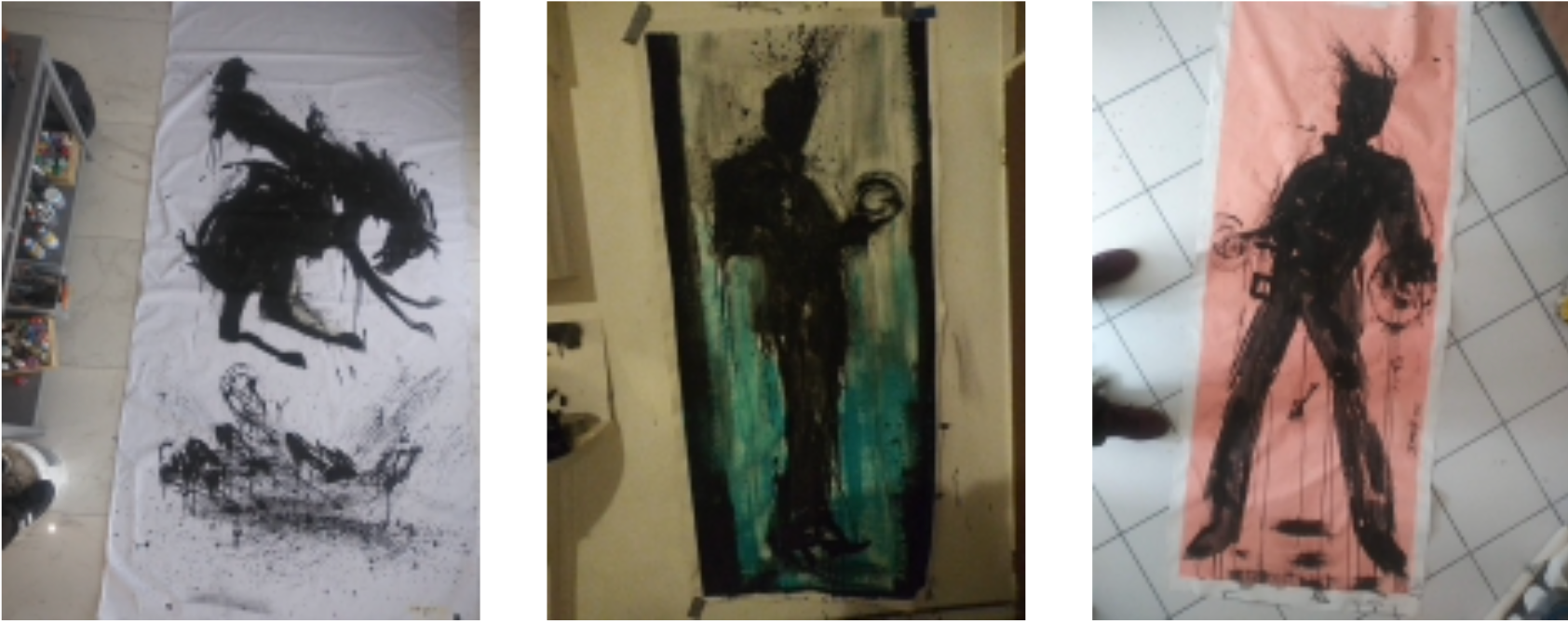
This week, Grossman LLP won an important pre-trial battle in a New York state court, resulting in an illuminating ruling on a frequently-misunderstood issue in art law: the role of experts in disputes about inauthentic artworks. We have written before about this long-running dispute, in which our client, a prominent art collector, sued an art gallery for refusing to rescind a sale of multiple “Richard Hambleton” paintings that turned out to be worthless forgeries. During discovery, the defendants revealed that they had sourced the works from a known forger, but had failed to disclose that material information to our client prior to the sale, giving rise to an additional fraudulent-concealment claim.
We are now preparing for a jury trial, and the gallery defendants had sought to severely curtail the testimony of one of our proposed witnesses. Years ago, before our client’s purchase, this witness—another gallery owner—had seen photos of the artworks at issue, and had refused to buy them. During litigation, we informed the defendants that we intended to call this witness at trial to testify that at the time of her refusal, she had determined the works at issue appeared to be inauthentic. Defendants objected, complaining that we had not disclosed her as an expert witness under New York rules governing civil litigation.
The Court has now sided with our client, accepting in full our argument that, although the applicable state rule requires certain disclosures regarding expert witnesses (and their qualifications and opinions), that rule “only applies to litigation experts retained to testify at trial.” Such disclosures are not required for a witness like the one at issue here, who was not retained for trial, but is instead a fact witness who can “testify to the facts of what occurred” at the time, including “her opinions formed from her personal knowledge of the facts based on what she observed at that time.” Interestingly, we encountered a similar issue in a case we tried in federal court a few years ago, involving artworks that had been stolen from our client and replaced with skilled forgeries. In preparing for trial, we put forward an expert in art forensics to testify regarding his work with certain paintings in our client’s collection, and the conclusions he reached about them at the time. Our counterparty objected that we had not made expert witness disclosures regarding that witness. We prevailed there too, with the judge adopting the same reasoning; the person was not an “expert witness” hired for the litigation, but was rather a fact witness whose testimony was not subject to strict disclosure requirements under the Federal Rules of Civil Procedure. He was ultimately one of five witnesses we examined during trial, and his testimony helped confirm important issues regarding the forgeries there. We went on to achieve a complete victory at trial and on appeal.
These rulings are significant because many art-related disputes involve the opinions of people with extensive expertise, education, and experience related to art. When disputes ripen into litigation, parties and counsel must understand how such opinions fit into their discovery obligations and overall trial strategy. And there is a difference between a true expert witness—someone who is hired specifically for the litigation to examine information about the case and opine on particular issues relevant to the parties’ claims—versus a fact witness who happens to have an opinion informed by his or her expertise. We look forward to presenting our client’s claims in the upcoming trial.
Art Law Blog