
-
In the Arena of Looted and Stolen Art, Spotlight Shifts to Negotiated, Voluntary Repatriation and Restitution
06/06/2014
 When it comes to claims involving allegedly looted or stolen art and cultural property, high-profile (and high-stakes) litigation often takes center stage. But the art world is paying increased attention to the rise of voluntary, negotiated repatriation and restitution of works to claimants. This option can lead to productive and mutually beneficial dialogues, partnerships, and outcomes; it also requires careful planning and legal advice.
-
Three Recent Suits Exemplify Some of the Legal Issues Surrounding Art Authentication
04/07/2014
 In the last few months, three different lawsuits have been filed that highlight some of the legal complications involved in seeking, offering, or relying upon authentication of works of art. We intend to follow closely each of these cases, and other important legal developments concerning art authentication.
ATTORNEY: Kate Lucas
In the last few months, three different lawsuits have been filed that highlight some of the legal complications involved in seeking, offering, or relying upon authentication of works of art. We intend to follow closely each of these cases, and other important legal developments concerning art authentication.
ATTORNEY: Kate Lucas
CATEGORIES: Art Galleries, Art Market, Authentication, Fine Art, Forgeries, Legal Developments -
Second Circuit Decision Highlights Risks of Inadequate Pre-Sale Diligence in Art Sales
01/27/2014
 Last year, this blog covered a federal court’s decision involving New York-based ACA Galleries, Inc.’s purchase of a painting purportedly created by artist Milton Avery. In a recent decision affirming that opinion, the Second Circuit reiterated the warning to galleries and collectors about the importance of completing comprehensive due diligence before purchasing any work of art.
-
Trove of Nazi-looted Art Discovered in Munich Apartment, But Questions Remain
11/05/2013
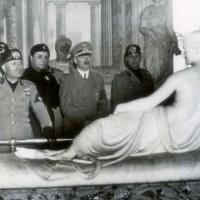 In September 2010, aboard a train from Switzerland, German customs agents were carrying out a routine check when they approached Cornelius Gurlitt. The man, who seemed nervous, was in possession of 9,000 euros and was not registered with the police—which is mandatory in Germany. Officials issued a search warrant for his Munich apartment, expecting to find undeclared euros or evidence of questionable bank accounts.
-
Family Of Alexander Calder Sues The Family Of His Longtime Dealer
10/31/2013
 From 1954 until his death in 1976, famed sculptor Alexander Calder was represented by Manhattan dealer Klaus Perls. Over the course of more than two decades, the pair forged a close friendship as well. Their contributions to the art world are formidable; Calder’s groundbreaking mobile works sell for millions of dollars, while Perls was a highly respected dealer and collector who donated more than $60 million worth of masterworks to the Metropolitan Museum of Art prior to his death in 2008. Now, both men are gone, and their families are in court amid allegations that Perls defrauded Calder’s estate and sold dozens of fake Calder works.
-
Gift From Christies Leader and Exhibition By Ai Weiwei Mark Latest Chapters in the Story of the Chinese Zodiac Head Sculptures
07/18/2013
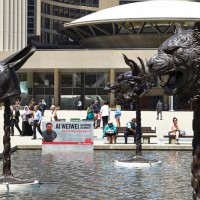 The long saga of an iconic set of bronze Chinese sculptures continues. In the 1700s, European Jesuits employed by the imperial court during the Qing dynasty (1644-1911) designed a dozen sculptures—giant bronze animal heads representing the twelve figures of the Chinese zodiac. The sculptures were originally part of a clock-fountain, with the heads spouting water to mark the hours. The fountain was located in the celebrated gardens of the Old Summer Palace in Beijing until, in 1860, the palace was beset by French and British troops during the Second Opium War. The zodiac heads became the spoils of war, looted and spirited away.
-
Appeals Court Affirms Summary Judgment for Sothebys In Lawsuit Involving Artists Disclaimer of Authorship Under VARA
07/01/2013
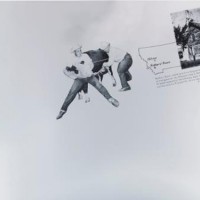 A recent appellate decision upheld Sotheby’s right to withdraw a work from auction based on contemporary artist Cady Noland’s disclaimer of authorship of a work under the Visual Artists Rights Act of 1990 (17 U.S.C. § 106A) (“VARA”). While the court resolved questions of Sotheby’s rights to withdraw the work under its standard-form consignment agreement, the court did not have the occasion to examine the contours of the artist’s disclaimer rights under VARA. In the meantime, though, VARA continues to be an effective weapon to be used by artists to protect their moral rights.
-
Museums Weigh Competing Interests When It Comes to Digital Images
06/06/2013
 As discussed in a recent New York Times article, museums around the world are reevaluating their approach to distributing images of their collections in an increasingly digital world.
Art Law Blog